

Sunrise on Commerce
Various and Sundry Gifts

This is the day that the LORD has made; let us rejoice and be glad in it.
— Psalm 118:24
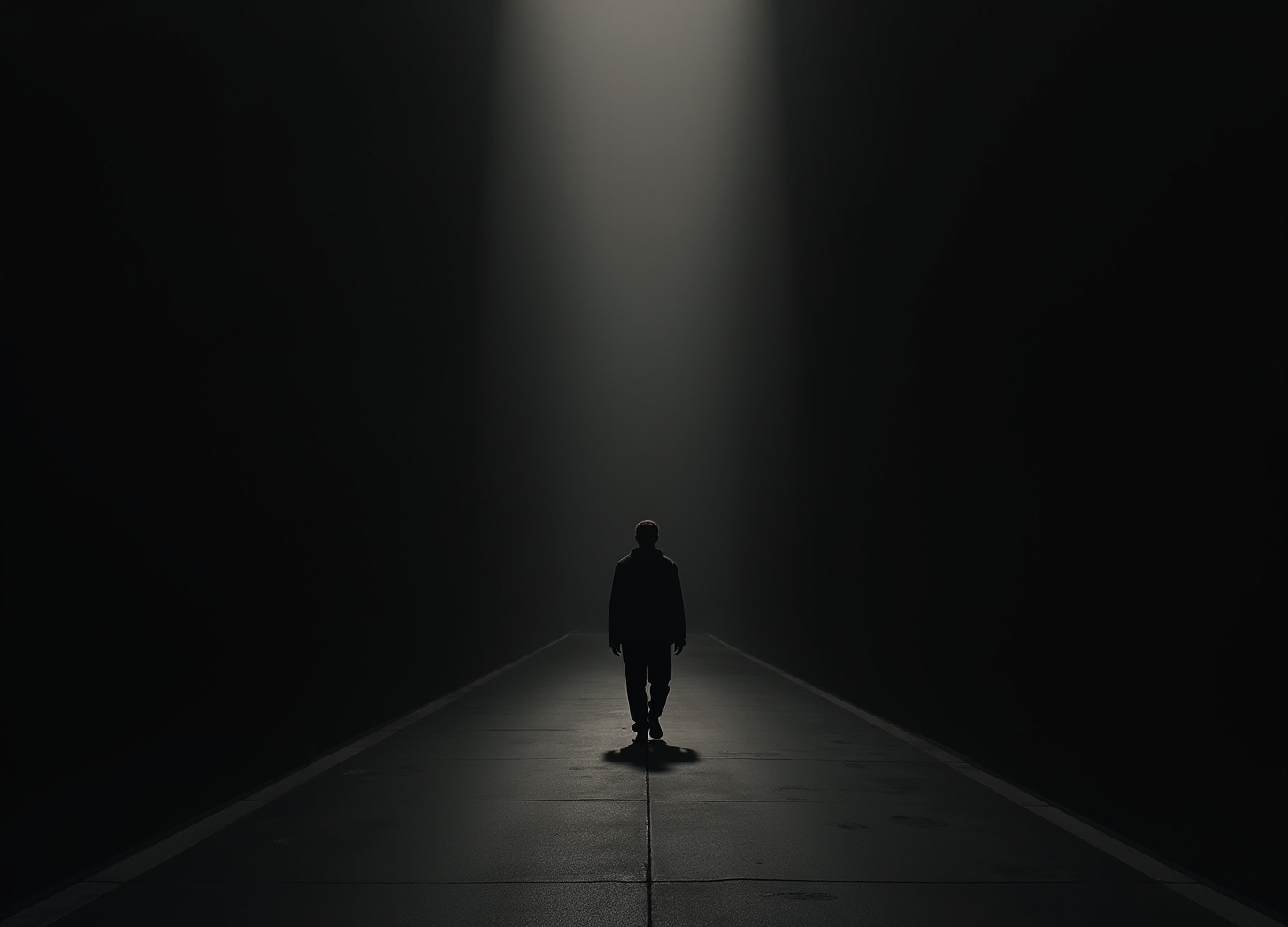
Commerce Street runs mostly east-west through downtown Dallas, before it turns South, passing the warehouse I used to live in. In spring, if you’re walking into my downtown office early enough, the sun hasn’t cleared the horizon yet. But you can see it. The light comes straight down the corridor between the buildings, all the way to the end of the street, warm and low and already there before the sun breaks. I walk a little more than a block. Some mornings I stop.
I live where I can see the sun rise and set in the same direction. The skyscrapers block the sunset at dusk. But it’s there. A short walk or a quick drive and I can watch it go down. That’s one of the things I’m grateful for. That I know it’s there, and I can get to it.
That sentence would have sounded insane to me years ago.
I spent most of my adult life cataloguing what was wrong. The state of the world. The state of my own life, which was never quite where it was supposed to be. I was constantly falling short. I was precise about it. Exhaustive. I kept a running inventory, most of them legitimate, none of them helping.
It wasn’t depression. It was a habit. A way of looking that had calcified.
I don’t know when it started to shift. There wasn’t a moment. I suspect it was the same time I felt life was falling apart. Now the smallest things stop me. The light on Commerce Street. That there’s coffee. That my legs still work. That I can laugh at myself.
Marcus Aurelius wrote his Meditations in the second century as a private notebook, mostly during military campaigns on the Danube frontier. He was emperor of Rome. He was also fighting a plague that killed five million people. He wrote to himself, not for anyone else. The book wasn’t published until 1,400 years after his death. He wrote: Confine yourself to the present.
He wrote that to himself. Probably more than once. Because he kept forgetting.
That’s the thing about a practice. You do it because you forget. Not because you’ve already learned it.
Psalm 118 is the psalm Jesus quotes more than any other. It shows up at the entry into Jerusalem. It gets sung at Passover. The rabbis call it part of the Hallel, the songs of praise. And right in the middle of it is this line: This is the day the LORD has made. Let us rejoice and be glad in it. Not tomorrow. Not the accumulated sum of all days. This one.
The Hebrew word for this is zeh. Demonstrative. Pointing at something specific. Not a general principle about days. That one.
The one you’re standing in.
You’ve done what I did. Maybe you’re still doing it. Running the inventory. Everything that should be different. That you should be doing better. The life that hasn’t arrived yet.
The present tense isn’t a consolation prize. It’s not what you settle for when the future disappoints. It’s the only place any of it is actually happening.
I’ve lived most of my life already. I don’t know how much is left. But I know what I was doing with the years I spent looking at what wasn’t there.
Most mornings now I stop on Commerce Street.
The light comes through before the sun does. Already warm. Before anything has announced itself.
That’s enough. It’s more than enough.
I call that a gift.
Marcus Aurelius was as correct in his time as he is today: “The happiness of your life depends upon the quality of your thoughts.”